Contrast Therapy
Hot, cold, and the honest state of the evidence for alternating between them.
Contrast therapy is the reason this site has two colors. Cedar is heat, ice is cold, and the interesting claim is that alternating between them does something neither does alone.
That claim is also where the evidence gets thin, and we are not going to pretend otherwise. What we can do honestly is the part nobody else bothers with: tell you which half to buy first, what running both costs, and what the published research does and does not support.
Start with the short version. Buy one half, live with it for a season, then buy the other. Almost everyone who regrets this purchase bought both at once, on the strength of a protocol that turns out to trace back to a 1990 textbook chapter rather than a trial.
Everything in Contrast Therapy
Best Sauna and Cold Plunge Combos
Almost nobody sells both halves in one box — the pairings we would buy, ranked on circuit load, footprint and running cost.
Our top pick
Breezestival Outdoor Barrel Sauna 4-6 Person, 6kW
$3,199.99 · View on AmazonPrice as of October 13, 2026. #ad How we’re funded
Sauna vs Cold Plunge
Which to buy first if you can only buy one — decided on cost, space and evidence.
Contrast Therapy Protocol
The ratios people quote, where they came from, and how thin the sourcing gets.
Cost of a Contrast Therapy Setup
Both halves, bought and run for a year — the arithmetic, at live prices.
Contrast Therapy for Beginners
Alternating hot and cold without overdoing either — order, rounds, timing, safety, and an honest note on the evidence.
Sauna Before or After Cold Plunge?
Most go hot first, cold second — for comfort, not because it is proven. What each order does, and why 'end on cold' is thinner than it sounds.
Contrast Therapy Benefits
What alternating hot and cold really does for you - and how thin the hard evidence actually is.
Contrast Shower
The free, no-equipment way to try hot and cold in your own shower before you buy anything.
How Often Should You Do Contrast Therapy?
A practical cadence, easing in, and why consistency beats chasing a magic number.
Is Contrast Therapy Better Than Cold Plunge Alone?
Whether adding heat to your cold actually beats plunging on its own - what the thin evidence suggests, and who each approach suits.
Contrast Therapy for Muscle Recovery
The hot-cold recovery routine athletes swear by - what it plausibly does for sore muscles, and how honest the performance evidence really is.
How to Set Up Contrast Therapy at Home
From a shower and a bathtub to a sauna and a plunge side by side - the practical ways to run hot-and-cold at home, at every budget.
Common Contrast Therapy Mistakes
The mistakes that make contrast therapy uncomfortable or pointless - wrong order, too extreme, too rushed - and how to fix them.
Contrast Therapy and Sleep
Whether an evening of hot and cold helps or hurts sleep - the warming-then-cooling logic, the alerting risk of ending cold, and how to time it.
Contrast Baths for Hands and Feet
The clinic-style contrast bath for a sore hand, foot or ankle - how it is done, what it may help, and the simple two-bucket setup.
Does Contrast Therapy Reduce Inflammation?
The claim that alternating hot and cold flushes inflammation - the pump-mechanism idea people describe, and what the evidence can and cannot back.
Contrast Therapy vs Ice Bath
Cold alone or cold alternated with heat - how the two compare for recovery, comfort and effort, and which to reach for when.
Contrast Therapy and Circulation
The constrict-then-dilate pump at the heart of contrast therapy - what you genuinely feel, and how much is a lasting circulatory change.


How this category actually divides
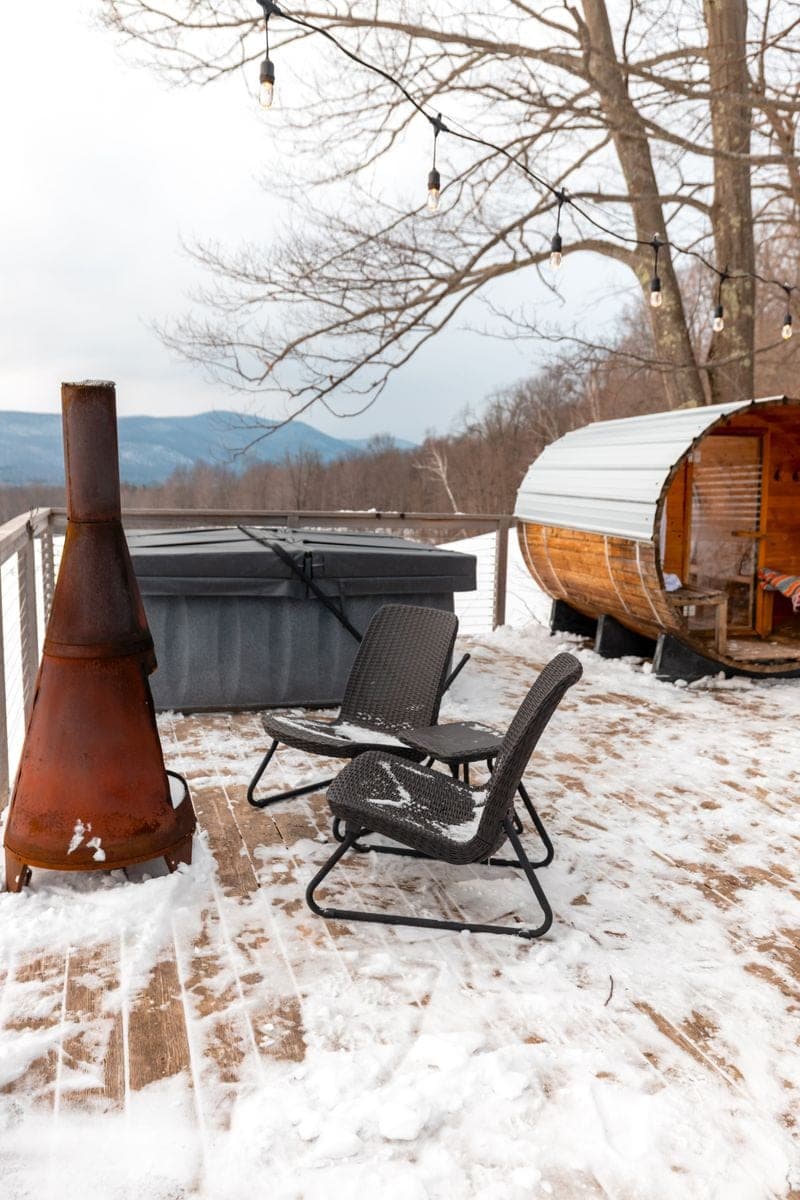
“Contrast therapy” sounds like one purchase. It is two appliances, two circuits and two maintenance habits, and they have almost nothing in common beyond sitting near each other in your yard.
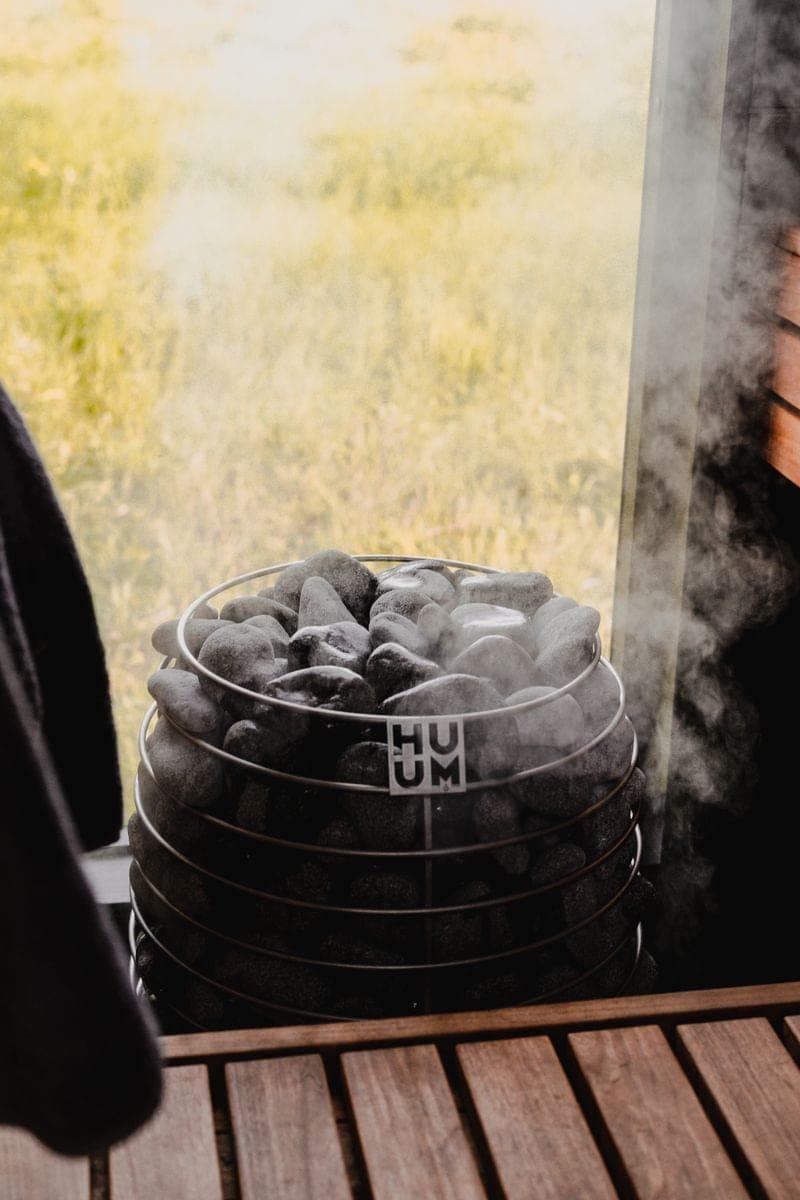
The hot halfis a room and a heater. The heater is the entire specification — its kW decides the temperature the room reaches, the circuit it needs and what it costs to run. Everything else on a barrel sauna listing is cladding. The sauna hub goes deeper.
The cold halfis a vessel and a chiller. The vessel is nearly inert — it holds water, and its capacity sets the workload. The chiller does everything, and it is the only part with a duty cycle. The cold plunge hub covers both.
The asymmetry that matters: the sauna is used in sessions, the plunge runs continuously. One is an event, the other is a background process that costs you money at 3am. That single difference drives most of what follows.
What actually drives the price
Not the wood. Not the branding. Two things, in this order.
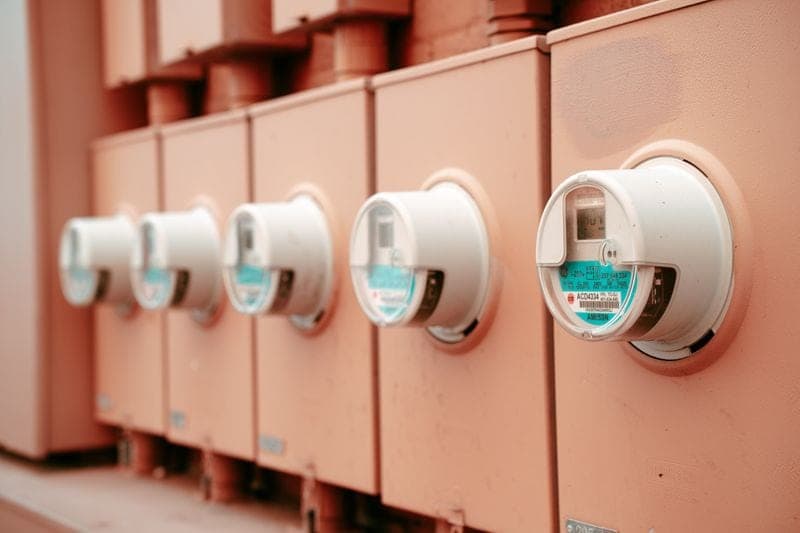
First, the electrician. This is the cost nobody in this category quotes and the one that most often breaks the budget. Both halves are continuous loads under the NEC, so both want circuits of their own. A 6kW heater draws 25.0A, which the 125% continuous-load rule sizes to a 35Abreaker. If your panel is full, the service upgrade can cost more than every appliance combined. Get the quote before you buy the gear, not after — here is what to ask for.
Second, the running cost — which is backwards from what you expect. At the US average rate, a 6kW sauna used three times a week costs about $8.59 a month. A chiller holding temperature costs about $20.05. The cold half is the expensive half to run, because standby beats sessions: it never stops. The full arithmetic is here.
The mistake buyers make
They buy the protocol before they buy the habit. Three minutes hot, one minute cold, always finish cold — repeated everywhere with the confidence of a finding. We went looking for the study behind it, and the trail ends at a textbook chapter from 1990. The contrast bath literature itself says “no standard explanation or rationale is accepted for the best ranges of temperature and immersion duration.”
Worse, the recovery evidence people cite for contrast therapy tested warm water baths averaging about 39°Calternated with about a minute of cool water. Not a 90°C sauna. Not an ice bath. And we could find no study at all comparing sauna-then-plunge against either half alone. The synergy this category is sold on is, on the published record, untested. We traced all of it.
None of which means don’t do it. It means don’t spend thousands of dollars and two circuits on a ratio nobody has validated.
So what should you buy first?
Our short answer: the half you will actually use four times a week. The only consistent signal across all of this literature — hot and cold — is frequency, and frequency is a behavior rather than a purchase. A sauna you use twice a month is a shed. A plunge you avoid is a bill for cold water nobody gets into.
If you want the long answer, decided on cost, space and evidence rather than on vibes, we wrote it up properly.
Before you do this at all
One safety note we are not going to bury at the bottom in gray text. The American Lung Association’s position on the transition itself: switching between the heat of a sauna and cold, icy water “can raise your blood pressure or cause you to go into shock”, and that strain is particularly serious for children, older adults, anyone pregnant, and anyone living with chronic heart or lung disease.
Their advice is to consult your healthcare provider before adding either practice to your routine, and ours is the same. We compare gear. We are not qualified to tell you your heart can take it.