Cold plunge for back pain
Cold reaches skin and superficial tissue. Your lumbar spine is neither of those. That one fact decides what a plunge can honestly offer a sore back - and what it cannot.
Last verified · Ice & Cedar editorial
The verdict
Useful for general muscular soreness, not a treatment for a spinal problem — and the thing to get right is not the water. Cold cools skin and the tissue just under it; your lumbar spine sits beneath a substantial layer of muscle, so a plunge is doing roughly what an ice pack does, plus a strong systemic effect many people value for its own sake. If your back is stiff rather than acutely flared, heat probably suits you better, and contrast therapy is the honest middle. The highest-risk part of plunging with a bad back is getting in and out, which is a tub-geometry decision you should rehearse dry. And any numbness, leg pain, weakness or change in bladder or bowel control means a doctor, not a tub. This page is not medical advice.
“Cold plunge for back pain” is one of the most common searches in this hobby and one of the easiest to answer badly, because the honest answer has two halves that point in different directions.
The first half is anatomical and not really arguable. Cold water cools skin and the tissue immediately beneath it. Your lumbar spine, its discs and the deep stabilising muscles around it sit under a meaningful layer of muscle and fat, and a few minutes in cold water does not change their temperature appreciably. Anyone telling you a plunge is “reducing disc inflammation” is making a claim the physics does not support.
The second half is that this does not make it useless. Surface cooling plausibly reduces the superficial soreness and the protective muscular guarding that travels with it — the same mechanism as an ice pack, which is standard, uncontroversial advice for a sore back. And immersion produces a strong whole-body response that many people find genuinely changes how they feel for hours afterwards, which is a real benefit even though it is not a back-specific one. We describe both in the general, qualitative terms the evidence supports, and nothing on this page is medical advice.
Cold or heat: which one your back probably wants
The usual rule of thumb is cold for an acute flare in the first day or two and heat for ongoing stiffness. It is qualitative, it is the same advice people get for an ice pack versus a heating pad, and it is a reasonable starting point rather than a law.
What it implies for most readers is worth saying plainly: a lot of long-standing back discomfort is a stiffness-and-tension problem rather than an acute inflammation problem, and those people usually find heat more comfortable. If that is you, the sauna side of this question is the page to read, and a plunge is better understood as the general-recovery habit it is than as a back intervention.
If both help you at different times — which is extremely common — that is precisely the case contrast therapy exists for, and it is the whole reason this site covers both halves rather than one.
The part nobody plans for: getting in and out
With a bad back, the riskiest thirty seconds of a plunge are not the cold ones. They are the ones where you step over a wall, lower yourself into a deep seat, and then get back out of it with wet hands, cold muscles and reduced flexibility. This is the single most useful thing on this page and it is a tub-shape decision rather than a water decision.
- Upright tubs keep your whole spine submerged while you sit, which is what most people with back soreness actually want. The cost is the entry: you step over a wall that is commonly 30 inches or more and lower yourself into a deep seat.
- Recumbent tubshave a much lower wall — one tub we compare publishes 27.5 inches — so the step over is easier. The cost is the exit: getting up from lying down in cold water asks more of your back than standing up from sitting does.
Neither is universally right. Decide by rehearsing the movement dry, beside a wall, a rail or a sturdy chair you can hold, before the tub is ever filled. And whatever you buy, give yourself something to hold onto on both sides: the most common way people hurt their back around a plunge is twisting while bracing on a slippery rim.
Dose, and why short is the right instinct here
Treat time in the water as a dose. Two to three minutes at a moderate temperature is a full session for a beginner, and a sore back gains nothing from ten.
There is a back-specific reason for restraint, and it is mechanical rather than theoretical. Enduring a long, hard cold exposure makes you brace: you hold your breath, your shoulders rise, and your lower back tightens against the cold. That is the opposite of the relaxed state you came for, and it is how people leave a plunge feeling worse than they arrived. Get out while your breathing is still under your control, which is a better stopping rule than a stopwatch. The general numbers are on cold plunge temperature and how often should you cold plunge, and the breathing technique that keeps you out of the brace is on cold plunge breathing.
One sequencing rule worth following strictly: do not plunge and then stretch, lift or train.Cold tissue is stiffer and less extensible while it is cold, and a back that has just been cooled is not the back you want to ask for range of motion. Train first, plunge afterwards, and rewarm properly — see warming up after a cold plunge.
What we would actually buy for this
Ranked on published specifications. Select a row to jump to the full write-up. We have not tested these units — here is exactly what we do instead.
| # | Product | Best for | Price |
|---|---|---|---|
| 1 | 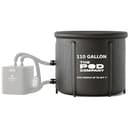 The Pod Company Ice Pod Pro, 110 Gallon 110 gallons is close to the sweet spot: deep enough to cover the shoulders, small enough that a half-horse chiller can actually keep up. | Upright, so the spine stays submerged | $79.00 · View on Amazon Price as of October 17, 2026. #ad How we’re funded |
| 2 | 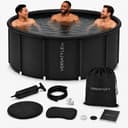 Versatyle XXL Cold Plunge and Soaking Tub, Steel Frame (GIBT-SS1) A steel-rod frame and insulated multilayer walls instead of a bare inflatable ring. That is the difference between a tub that holds temperature and one that fights your chiller — but this one is a group tub, and every gallon of it is water you pay to keep cold. | Lowest wall to get over | $89.99 · View on Amazon Price as of October 17, 2026. #ad How we’re funded |
| 3 | 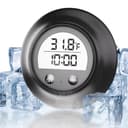 Generic Silicone Cover Ice Bath Thermometer with Timer A thermometer with a timer is the one accessory that changes behavior: it stops you guessing both the temperature and the duration. | Dose control, which is the part that matters | $17.99 · View on Amazon Price as of October 17, 2026. #ad How we’re funded |
Why those three picks, and why one of them is a thermometer
The upright pod is first because for back soreness the thing you want is the whole spine under water while you sit in a supported posture, and an upright tub does that in the smallest floor area. The large steel-frame tub is second because it publishes the lowest wall of anything we compare, which is the single most relevant number if stepping over a rim is the part that hurts.
The thermometer is there because it is the cheapest item on the page and the one that most changes the outcome. Dose control is the whole argument of this article, and you cannot control a dose you are not measuring — “it felt about right” is how a three-minute plan becomes an eight-minute endurance test. If you buy one thing off this page, buy that.
Note what is not on the list: a chiller. If your reason for plunging is a sore back rather than a daily recovery habit, you may be better served by the cheapest route into cold water than by a refrigerated setup — and by a cold shower, which costs nothing and tells you within a week whether cold is something your back responds to at all.
When to stop reading this and call a doctor
Some back symptoms are not recovery questions, and a plunge is the wrong thing to be researching. Stop and get medical advice if you have:
- numbness or tingling, anywhere;
- pain radiating down a leg, or weakness in a leg or foot;
- any change in bladder or bowel control;
- back pain that followed a fall, a collision or any impact;
- fever alongside back pain.
Separately, cold immersion is a significant cardiovascular stimulus in its own right, independent of your back. If you have a cardiovascular condition, high blood pressure, are pregnant, or have a diagnosed spinal condition, that is a conversation to have with a doctor before you start rather than after. Our cold plunge safety page covers the general contraindications, and cold plunge and blood pressure covers the one people most often overlook.
Frequently asked questions
Is a cold plunge good for back pain?
It can be useful for the muscular, generally-sore kind of back discomfort, in the same broad way an ice pack is - and it is not a treatment for a spinal problem. The reason is anatomical rather than controversial: cold water cools skin and superficial tissue, and your lumbar spine and its discs sit under a substantial layer of muscle and fat. What a plunge plausibly does is reduce the surface soreness and the guarding that comes with it, and provide a strong systemic stimulus that many people find changes how they feel afterwards. What it does not do is reach a disc. This page is not medical advice, and a back problem with any neurological symptom needs a doctor rather than a tub.
Cold or heat for a sore back?
The widely used rule of thumb is cold for an acute flare in the first day or two, heat for ongoing stiffness - the same guidance anyone gets for an ice pack versus a heating pad, and it is qualitative rather than precise. Most chronic back discomfort is a stiffness problem rather than an inflammation problem, which is why so many people with long-standing back pain end up preferring heat and find a cold plunge useful for everything else. If both help you at different times, that is also normal and is exactly the case contrast therapy exists for.
How long should I cold plunge for back pain?
Start far shorter than you think and treat duration as a dose rather than a target. Two to three minutes at a moderate temperature is a complete session for a beginner, and nothing about a sore back is improved by pushing to ten. The specific risk with a back is that enduring a long cold exposure makes you tense and brace - you hold your breath, your shoulders come up, and your lower back tightens, which is the opposite of what you came for. Get out while your breathing is still under control. Our temperature and duration guides have the general numbers.
Will cold water make my back seize up?
Cold does increase muscle tone and reduce tissue flexibility while you are in it, and that is worth planning around rather than fearing. Two practical consequences: do not go straight from a plunge into stretching, heavy lifting or anything that needs range of motion, and do not treat a plunge as a warm-up. Rewarm gently and move normally for a while before you ask your back for anything. The reverse order - move, train, then plunge - avoids the problem entirely.
Should I get in sitting or lying down with a bad back?
Whichever one you can get into and out of without twisting. This is the part nobody plans for and the part most likely to actually hurt you: an upright tub means stepping over a wall that may be 30 to 37 inches high and lowering yourself into a deep seat, while a recumbent tub means a lower wall to clear but then getting up from lying down in cold water. Neither is universally better. Decide by rehearsing the movement dry, next to a wall or a rail you can hold, before the tub is full.
When should I not cold plunge with back pain?
Stop and see a doctor rather than a tub if you have numbness or tingling, pain radiating down a leg, weakness in a leg or foot, any change in bladder or bowel control, pain following a fall or impact, or fever with back pain. Those are not plunge questions. The same applies if you have a diagnosed spinal condition, are pregnant, or have a cardiovascular condition - cold immersion is a significant cardiovascular stimulus, which is a separate consideration from your back. Our safety page covers the general contraindications.
Related
- Sauna for back pain - the heat side of the same question
- Cold plunge for joint pain - the same reasoning for a shallower joint
- Cold plunge and inflammation - what cold does and does not reach
- Cold plunge temperature - the dose numbers
- Cold plunge breathing - how to stay out of the brace
- Warming up after a cold plunge - before you ask your back for anything
- Cold plunge safety - the contraindications in full
- Contrast therapy for muscle recovery - if heat and cold both help you
- Best vertical cold plunge tubs - the uprights, ranked on wall height
- Best cold plunge tubs for tall people - the geometry question in detail
- Best cold plunge thermometers - dose control, compared
- Cold plunge vs cold shower - the free way to find out if cold suits you
Sources
- Ice & Cedar cold plunge inflammation and safety guides — This page describes cold-versus-heat guidance for back discomfort in general, widely recognized qualitative terms, comparable to standard ice-pack-and-heating-pad advice; no specific study, percentage, author or institution is asserted as a finding. The claim that cold cools superficial tissue rather than deep spinal structures is a statement about tissue depth, not a clinical result. Diagnosed spinal conditions, neurological symptoms and red flags are deferred to a doctor, and this page is not medical advice. (accessed 2026-10-17)
- Manufacturer listings for the three picks (Amazon detail pages) — The published wall height, capacity and construction figures referenced above were read from the manufacturers' own listings and are linked per product on our tub pages. No listing in this category publishes an interior depth or a seat height, which is why this page tells you to rehearse the movement rather than quoting a dimension. (accessed 2026-10-17)