The verdict
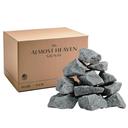
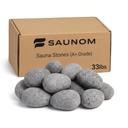
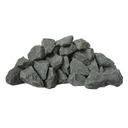
The Harvia olivine diabase, 44 lbis the pick: it is the only box here that names the rock precisely, publishes the stone size in the same centimeters a heater manual uses, and names the region it was mined in — and it comes from a heater manufacturer, so the stone and the stove are specified by the same people. It is also the dearest pound of stone on the page, and that premium buys documentation rather than heat. If you measure in inches, the Northwood Sauna diabase, 45 lb publishes the size in both units. The SAUNOM vulcanite, 33 lb is the cheapest box that publishes a size at all, and the only listing that explains why size is an airflow decision. The budget pick is the TAYOI 19 lb diabase — too small to fill most heaters, which is exactly what makes it the sensible top-up.
Sauna stones are the one purchase in this whole category where a manufacturer has already told you the answer, and almost nobody selling the product repeats it. A heater’s documentation specifies a stone SIZE — the Harvia stone listing on this page states 5–10 cm — and three of these eight listings publish one. The rest answer a size question with a box weight and an adjective.
The criteria, in order. First the rock, named: a stone you cannot identify cannot be checked against anything, and seven of eightlistings name one. Second the size, because that is the spec the heater actually cares about and the only one that affects how the stove breathes. Third the box weight, which is the only number on most of these listings you can do arithmetic with. Then origin, shape and the durability claims. Price breaks ties — but because the boxes run from 19 lb to 47 lb, price here means cost per pound, which the table below computes live.
The second finding is that the other half of the arithmetic is missing too. To know how many boxes to order you need your heater’s stone capacity — and of the 15 sauna heaters in our registry, exactly one publishes it. Every electric heater we track leaves the field blank. So the category asks you to guess from both ends at once: the stove will not say how much it takes, and most stone listings will not say what size they are. Our heater roundup shows how consistently that field is empty.
And the third is that “A+ grade” is doing a lot of work in this category. three of these listings claim a grade and not one names a standard, an issuing body or what a lower grade would be. fivemake a crack-resistance or thermal-shock claim, and not one is backed by a published test. We record the wording on every card, because a claim is worth something — but it never outranks a rock type or a published size here, and it should not outrank them for you either.
We have not tested any of these; we own none of them, and we have no way to test a rock. Here is exactly what we do instead. Every specification below was read from the seller’s own Amazon listing on the date printed on each card. For what stones do in the first place and how to stack them, our sauna rocks guide is the background to this page.
Buying stone without a number to go on
Read your heater’s manual before you read a stone listing.It is the only document in this purchase likely to contain a size and a capacity, and it is the one most people skip. If it gives a range in centimeters, convert once and shop on that; if it gives nothing, the usable default is the range the heater makers themselves sell against, which on this page is 5–10 cm.
Order the first box, then judge the second. Because almost no heater publishes a capacity, the reliable method is empirical: fill what you can see, leave the stones loose rather than packed, and buy a second box if the bed sits low. The computed column on each card shows how many boxes a 199 lb heater would need, as a worked example of the arithmetic rather than a figure for your stove.
Rinse them, and stack them loose.New stone carries quarry dust, and one listing here is candid that the first firing can smell as mineral impurities burn off. Stack smaller stones low and larger ones on top so air can move through the element rather than around it — which is the same reason the size spec exists. Should you pour water on sauna rocks covers which heaters are built for it and which are not.
And if you are specifying a stove at the same time, the stone question is one more reason to look at what the heater listing is willing to publish. Best sauna heater for the money ranks the electric field on published room volume per dollar, and best wood burning sauna heaters covers the stoves that hold the most stone.